

Walk into any high-end home renovation in Sydney, Melbourne, or Brisbane right now, and you’ll likely notice something striking underfoot: intricate timber floor patterns that transform ordinary rooms into architectural statements.
After decades of favouring simple plank flooring, Australian homeowners are rediscovering the dramatic impact of classic European patterns, particularly herringbone and chevron. Today’s interpretations blend traditional craftsmanship with contemporary aesthetics, creating spaces that feel both timeless and thoroughly modern.
Why Timber Floor Pattern Is Having a Moment
The shift toward patterned timber flooring reflects broader design movements happening across Australian residential architecture. After years of minimalist, Scandinavian-inspired interiors dominated by pale woods and simple layouts, homeowners are craving character, texture, and visual interest.
Patterned floors create focal points that anchor room design. They add perceived value to properties. Perhaps most importantly, they introduce a level of craftsmanship and detail that feels increasingly rare in our mass-produced world.
The Patterns Dominating 2026
Herringbone: The Timeless Classic
Herringbone remains the undisputed favourite for premium installations. The distinctive V-shaped pattern, created by laying rectangular planks at 90-degree angles to each other, delivers visual drama without overwhelming spaces.
What makes herringbone particularly appealing in 2026? Its versatility. The pattern works equally well in heritage terrace renovations and contemporary architectural homes. It complements both traditional joinery and sleek, minimalist furnishings.
Modern iterations favour wider planks (120-150mm) than traditional versions, creating a more contemporary feel whilst maintaining the pattern’s classic geometry. European oak in natural and whitewashed finishes dominates current installations, though we’re seeing growing interest in warmer tones like spotted gum and blackbutt for distinctly Australian interpretations.
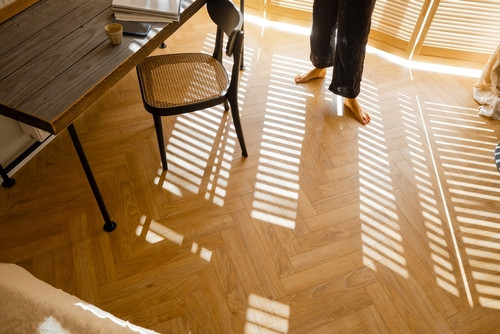
Chevron: The Sophisticated Alternative
Chevron creates a continuous zigzag pattern by cutting plank ends at precise angles (typically 45 or 60 degrees) so they meet in perfect points. The result? A more formal, sophisticated appearance than herringbone.
Chevron requires exceptional precision during installation; end cuts must align perfectly, and the pattern allows zero tolerance for error. This complexity contributes to its premium positioning and appeal among clients seeking something truly special.
The pattern particularly shines in larger spaces: expansive open-plan living areas, wide hallways, and generous master bedrooms where the continuous flow can be properly appreciated.

Versailles Panels: For the Bold
Whilst less common than herringbone or chevron, Versailles-style parquetry panels are experiencing renewed interest among clients pursuing genuinely opulent interiors. These geometric patterns, combining various shapes within bordered squares, deliver old-world European elegance.
They’re unquestionably statement pieces, best suited to formal spaces, grand entries, or homes with period architectural features.

Practical Considerations Before Committing
Room Size Matters
Patterned floors need space to showcase their geometry effectively. As a general guideline:
- Herringbone works in rooms as small as 12-15m² but truly shines in 20m²+
- Chevron benefits from rooms 18m²+ to display the continuous pattern flow
- Smaller spaces risk looking busy or overwhelming
Traffic Patterns and Furniture Placement
Consider how the pattern interacts with room function. Herringbone naturally draws the eye along its directional flow, positioning it to guide movement through spaces, enhancing the design.
Heavy furniture placement matters too. Will your dining table permanently cover a significant portion of the pattern? That might influence whether the investment makes sense.
Lifestyle and Maintenance
Patterned floors show wear differently from standard planks. Scratches, dents, and finish degradation become more noticeable because they interrupt the geometric rhythm.
This doesn’t mean they’re impractical; it just means they suit households willing to maintain them properly. Regular cleaning, protective pads under furniture, and periodic refinishing keep them looking spectacular.
Making the Pattern Work in Your Home
If you’re seriously considering patterned timber floors, these insights might help your decision:
Start with high-impact spaces: Consider patterns in main living areas, entries, or master bedrooms, whilst using standard planks in bedrooms or less visible areas to manage costs.
Maintain consistent direction: If using herringbone across multiple rooms, keep the same direction throughout for visual cohesion.
Consider underfloor heating compatibility: Many modern timber flooring products work with hydronic heating systems; discuss this early if it’s part of your plan.
Plan for the long term: These floors suit homeowners planning to stay 5-10+ years. The investment pays off over time through daily enjoyment and eventual resale value.
The Verdict: Trend or Timeless?
Here’s the reassuring truth: whilst patterned floors are experiencing a surge in popularity right now, they’re not a fleeting trend. Herringbone and chevron have remained desirable for literally centuries across European and Australian homes.
What we’re witnessing isn’t the birth of a trend; it’s the rediscovery of timeless design principles after a period where cost-effectiveness and speed dominated flooring choices.
For homeowners who appreciate craft, value longevity, and want floors that contribute meaningfully to their interior architecture rather than simply covering substrate, the investment in premium patterned timber makes compelling sense.


 02 8850 0800
 Visit Our Showroom


